
Upgrading your systems can be both exciting and challenging, especially when dealing with specialized platforms like immorpos35.3. Knowing when upgrading immorpos35.3 to new software is the right step can save time, reduce errors, and ensure your business operations run smoothly. This article explores the essential considerations, practical steps, and best practices for a successful upgrade, helping you make informed decisions.
Understanding immorpos35.3 and Its Upgrade Potential
immorpos35.3 is designed to streamline operations, enhance user efficiency, and provide advanced functionality for businesses. However, as technology evolves, staying on older versions may limit performance or compatibility with new tools. Knowing when upgrading immorpos35.3 to new software is necessary depends on factors like system stability, available features, and security updates. Regular upgrades ensure your platform stays competitive and capable of handling modern operational demands.
Key Indicators That Signal an Upgrade is Needed
Several signs indicate it’s time to consider an upgrade. Slow response times, compatibility issues with other software, or frequent errors may all suggest your current immorpos35.3 setup is outdated. Additionally, if the new software version includes essential security patches or enhanced functionality, these are clear indicators. Knowing when upgrading immorpos35.3 to new software can prevent downtime and maintain seamless business operations.
Preparing for a Smooth Upgrade
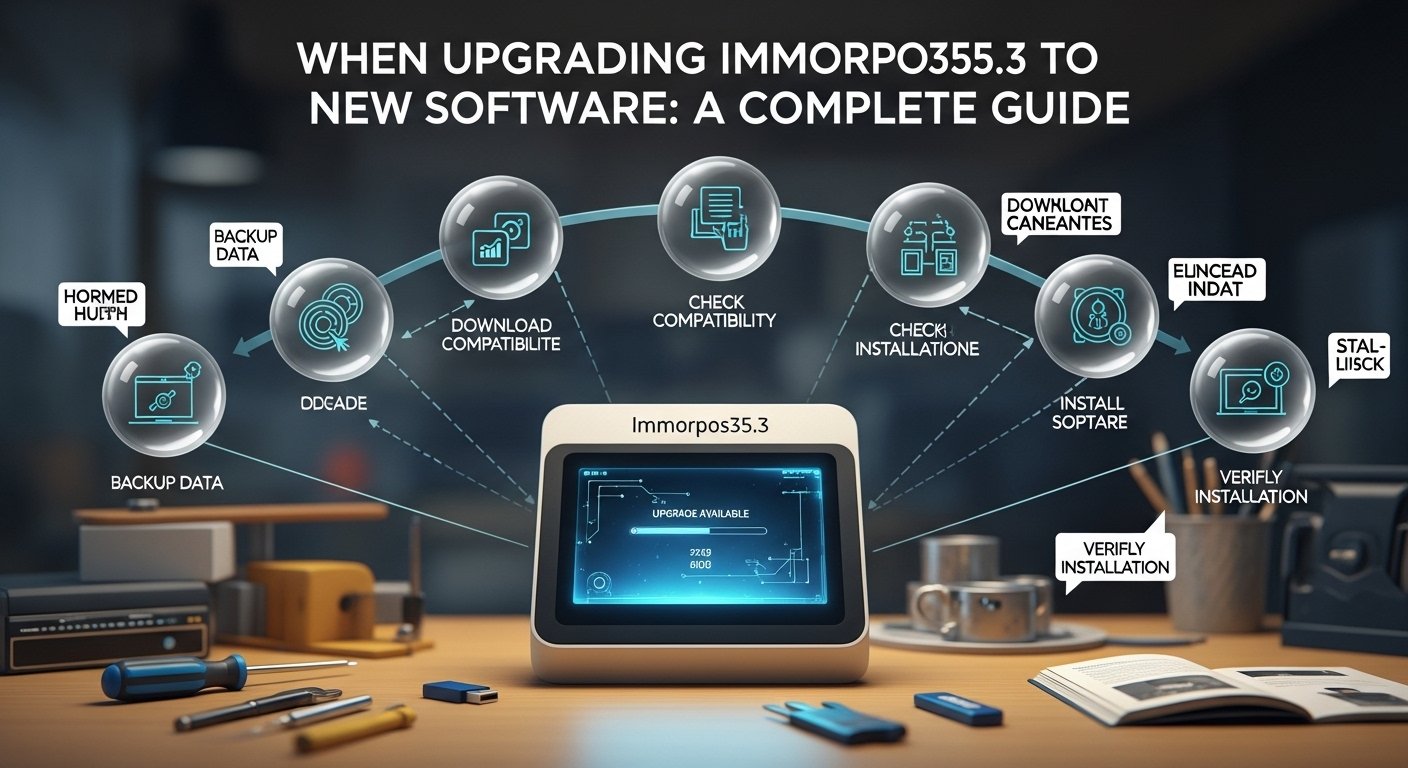
Before initiating the upgrade, preparation is critical. Start by backing up all data to avoid loss during the process. Review the new software’s system requirements and confirm that your current hardware can support the upgrade. Understanding when upgrading immorpos35.3 to new software is optimal also involves scheduling the process during low-traffic hours to minimize disruptions. Having a detailed plan reduces the risk of errors and ensures a more controlled transition.
Step-by-Step Upgrade Process
The upgrade process generally involves downloading the latest software version, verifying system compatibility, and following the installation prompts carefully. Testing the new environment in a sandbox or staging setup is highly recommended. Doing so allows you to detect potential conflicts before applying changes to your live system. Recognizing when upgrading immorpos35.3 to new software helps you allocate sufficient time for these tests, ensuring that your operations continue smoothly after the update.
Post-Upgrade Best Practices
After the upgrade, monitor the system closely for unexpected behavior. Check all integrations, run performance tests, and confirm that critical functionalities are working as intended. Providing user training on new features is also vital to maximize efficiency. Knowing when upgrading immorpos35.3 to new software is complete involves confirming that the system performs reliably and users are comfortable navigating the updated interface.
Common Challenges and How to Avoid Them
Upgrades can sometimes present challenges, such as data migration errors or software conflicts. To prevent these issues, maintain clear documentation, communicate with your IT team, and follow the vendor’s instructions carefully. Understanding when upgrading immorpos35.3 to new software helps anticipate potential problems and implement preventive measures, reducing frustration and minimizing downtime.
Conclusion
Determining when upgrading immorpos35.3 to new software is the right move is crucial for maintaining operational efficiency, security, and performance. By recognizing the signs, preparing adequately, following structured steps, and monitoring post-upgrade performance, businesses can achieve a smooth transition. Staying proactive about software updates ensures your system remains reliable and fully capable of supporting modern business needs.