
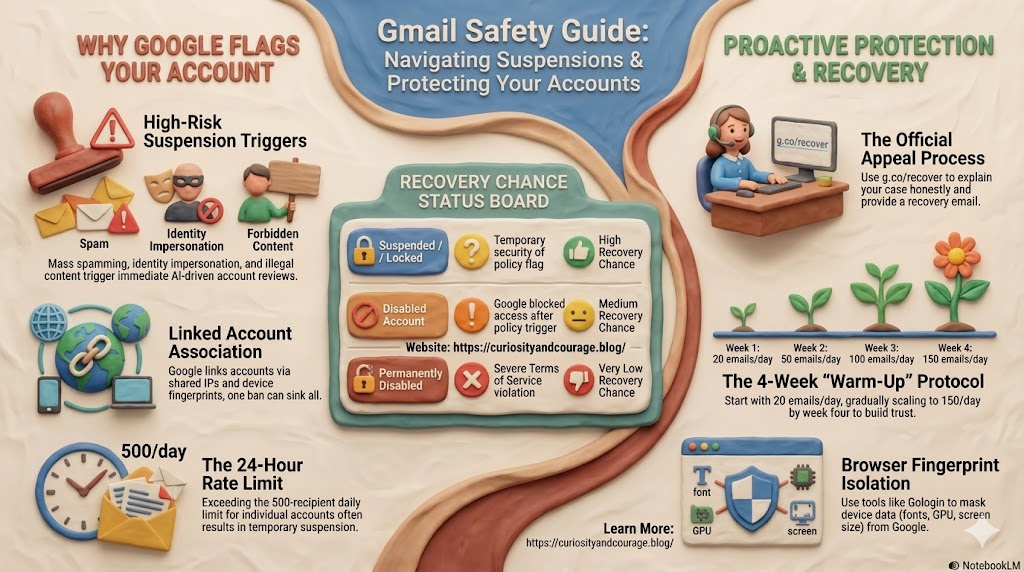
The term banned G+ has become a common topic among internet users, gamers, online communities, and digital platform members. Many people search for this phrase after suddenly losing access to an account, community, service, or platform feature. While the exact meaning can vary depending on the platform being discussed, a banned G+ situation generally refers to an account, profile, group, or service that has been restricted, suspended, or permanently removed due to policy violations or security concerns.
In today’s digital world, online platforms enforce strict rules to maintain safe and trustworthy environments. When these rules are broken, intentionally or accidentally, users may face penalties ranging from temporary restrictions to permanent bans. Understanding how bans work can help users protect their accounts and avoid unnecessary issues. This guide explores everything you need to know about banned G+, including common causes, warning signs, recovery options, and prevention strategies. Whether you are a casual user or a digital professional, this article will help you better understand account restrictions and how to stay compliant online.
Complete Overview of Banned G+
| Topic | Details |
| Keyword | Banned G+ |
| Meaning | Account, group, or profile restriction due to rule violations |
| Common Causes | Spam, abuse, fake activity, policy violations |
| Ban Types | Temporary, permanent, shadow ban, feature restriction |
| Recovery Possible? | Depends on platform policies |
| Prevention | Follow guidelines and security practices |
| Risk Level | Moderate to High |
| User Impact | Loss of access, reduced visibility, account suspension |
| Appeal Option | Usually available on most platforms |
| Best Practice | Follow community standards consistently |
What Does Banned G+ Mean?
The phrase banned G+ generally refers to a situation where a user, account, group, or digital profile loses access to certain features or becomes completely restricted. Different platforms use different terminology, but the concept remains similar. A ban is usually applied when a platform detects activity that violates its terms of service or community guidelines.
For example, some users receive restrictions after posting spam content, engaging in suspicious activity, or repeatedly breaking platform rules. In other cases, automated security systems may mistakenly flag legitimate accounts. This can lead to confusion and frustration, especially when users are unaware of the reason behind the action. Understanding the meaning of banned G+ helps users recognize potential issues early and take corrective measures before a temporary restriction becomes permanent.
Why Do Accounts Get Banned?
Most banned G+ situations occur because platforms aim to protect users and maintain content quality. Every online service has rules designed to prevent abuse, scams, and harmful behavior. When these rules are violated, enforcement actions often follow.
Common triggers include posting misleading information, sending excessive promotional messages, creating fake accounts, or engaging in automated activities. Some platforms also monitor unusual login patterns that may indicate account compromise. From my experience working with digital platforms and communities, many bans happen because users skip reading the terms and conditions. A few minutes spent reviewing platform guidelines can prevent major problems later. Understanding these causes is one of the easiest ways to avoid becoming part of a banned G+ case.
Common Reasons Behind a Banned G+ Status
Several factors can contribute to a banned G+ designation. Spam remains one of the most common reasons. Platforms actively detect repetitive messages, mass posting, and suspicious promotional behavior. Another major factor is violating content policies through inappropriate, offensive, or prohibited material.
Security issues can also lead to restrictions. If an account shows signs of hacking, suspicious logins, or unusual behavior, temporary limitations may be applied as a protective measure. Repeated reports from other users can sometimes trigger reviews as well. While not every report results in action, multiple complaints often attract closer scrutiny. Understanding these common triggers allows users to adjust their behavior and reduce the likelihood of facing account restrictions.
Types of Bans Users May Encounter
Not all banned G+ cases are identical. Platforms often use different levels of enforcement depending on the severity of the issue. Temporary bans are common and usually expire after a set period. These bans act as warnings and give users an opportunity to correct their behavior.
Permanent bans are more serious and often result from repeated violations or severe misconduct. Shadow bans are another form of restriction where content visibility is reduced without a clear notification. Feature-specific restrictions may limit actions such as posting, commenting, or messaging. Knowing the difference between these ban types helps users understand their situation and determine the best path toward recovery.
Warning Signs Before a Ban Occurs
Many users overlook early warning signals before receiving a banned G+ status. Platforms often provide alerts, notifications, or temporary restrictions before applying stronger penalties. Reduced content reach, rejected posts, account warnings, and feature limitations can all indicate potential issues.
In some cases, users notice slower account growth or sudden declines in engagement. These signs may suggest that platform algorithms have flagged unusual behavior. Paying attention to these indicators can help users address problems quickly. Responding to warnings early often prevents more serious enforcement actions later.
How Platform Policies Affect Account Status
Every digital platform operates under its own set of rules and community standards. A banned G+ situation usually occurs when these policies are violated. Unfortunately, many users never read the guidelines they agree to during registration.
Policies cover areas such as spam prevention, content moderation, user safety, and account security. Regular updates may introduce new requirements that users must follow. Staying informed about policy changes is important because actions that were previously acceptable may later become restricted. Responsible users review platform announcements regularly and adjust their behavior accordingly.
Can a Banned G+ Account Be Recovered?
One of the most common questions involves recovery options after a banned G+ event. The answer depends on the platform, violation severity, and available appeal processes. Temporary bans often resolve automatically once the restriction period ends.
For permanent suspensions, users may need to submit an appeal explaining the situation and requesting a review. Successful appeals usually include honest explanations, supporting evidence, and a commitment to follow platform guidelines moving forward. Recovery is never guaranteed, but respectful communication and compliance can improve the chances of a positive outcome. Patience is important because review processes may take several days or weeks.
Steps to Appeal a Ban Successfully
If you encounter a banned G+ status, start by reviewing any notification or email received from the platform. Understanding the reason for the action is essential before filing an appeal. Gather relevant information, screenshots, and account details that may support your case.
Write a clear and professional appeal that explains the situation without becoming emotional or confrontational. Acknowledge mistakes if they occurred and demonstrate a willingness to follow the rules in the future. In my experience, respectful appeals are often more effective than aggressive responses. Providing accurate information increases credibility and improves the likelihood of receiving a fair review.
Best Practices to Avoid a Banned G+ Situation
Preventing a banned G+ issue is easier than recovering from one. Always follow platform guidelines and avoid activities that appear automated or spam-like. Use strong passwords and enable security features to protect your account from unauthorized access.
Maintain high-quality content standards and avoid misleading information. Engage with communities respectfully and avoid behavior that could trigger user reports. Consistency and authenticity are key factors in maintaining a healthy online presence. These simple habits significantly reduce the risk of future restrictions.
Security Measures That Protect Your Account
Account security plays a major role in preventing banned G+ incidents. Cybercriminals often target accounts with weak passwords or poor security practices. When compromised accounts are used for spam or fraudulent activities, platform systems may apply restrictions automatically.
Enable two-factor authentication whenever possible. Regularly update passwords and monitor login activity. Avoid sharing credentials with others and be cautious when using third-party tools. Strong security practices help maintain account integrity and reduce the likelihood of suspicious activity triggering platform enforcement.
The Long-Term Impact of Account Bans
A banned G+ status can have consequences beyond temporary inconvenience. Businesses may lose audience reach, creators can experience reduced engagement, and users may lose access to valuable content or connections. Rebuilding trust after a suspension can take significant time and effort.
However, bans can also serve as learning opportunities. Many users improve their understanding of platform rules and adopt better practices after experiencing restrictions. Long-term success depends on maintaining compliance and building a positive reputation within online communities.
Future Trends in Platform Moderation
Technology continues to evolve, and moderation systems are becoming increasingly sophisticated. Artificial intelligence, machine learning, and automated detection systems now play a larger role in identifying suspicious behavior. As a result, banned G+ cases may become more accurate but also more complex.
Platforms are investing heavily in user safety and content quality. Future moderation systems will likely focus on transparency, fairness, and faster appeals. Users who prioritize ethical behavior and compliance will be better positioned to adapt to these evolving standards.
Frequently Asked Questions
1. What does banned G+ actually mean?
It generally refers to an account, group, or profile that has been restricted or suspended due to policy violations or security concerns.
2. Can a banned G+ account be restored?
Sometimes. Recovery depends on the platform’s policies, the reason for the ban, and the success of any appeal process.
3. What causes most banned G+ situations?
Common causes include spam, fake activity, policy violations, inappropriate content, and suspicious account behavior.
4. How long does a temporary ban last?
The duration varies by platform and violation severity. Some restrictions last hours, while others may continue for weeks.
5. Can security issues trigger a ban?
Yes. Compromised accounts often display suspicious activity that may lead to temporary restrictions for protection purposes.
6. How can I avoid getting banned?
Follow platform rules, maintain account security, avoid spam behavior, and engage respectfully with other users.
Conclusion
Understanding banned G+ is important for anyone who spends time online. Account restrictions can occur for many reasons, including policy violations, security concerns, or automated detection systems. By learning the common causes, recognizing warning signs, and following best practices, users can greatly reduce the risk of facing restrictions. If a ban does occur, reviewing platform guidelines and submitting a professional appeal may help resolve the issue. The best strategy is prevention through responsible behavior, strong security habits, and consistent compliance with community standards. By staying informed and acting responsibly, users can maintain a positive online presence and avoid the challenges associated with a banned G+ status.